Campaign Boss Reveal
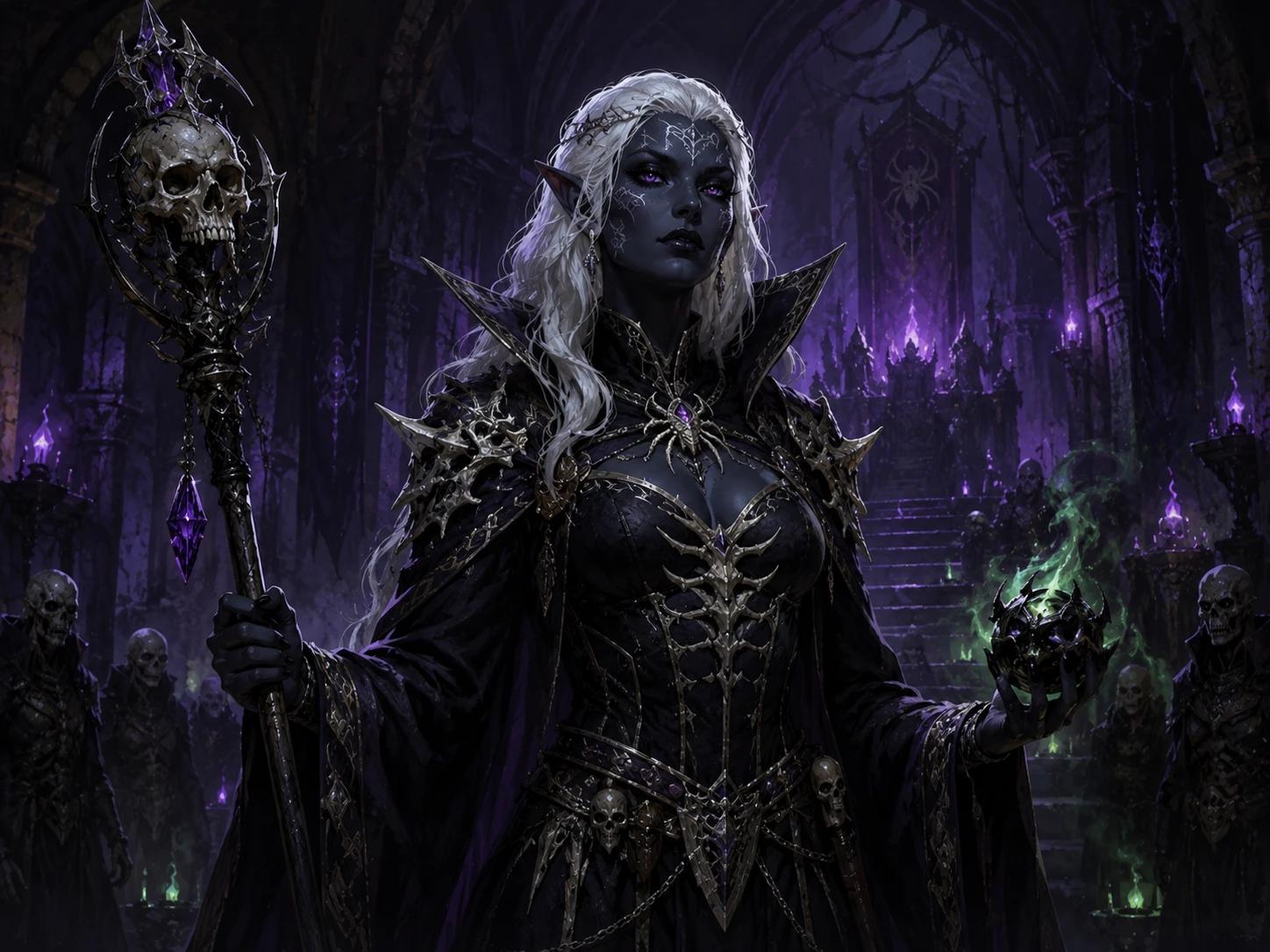
A dramatic composition, faction colors and a controlled expression create a clear final-boss presence.
Campaign antagonist character art
Build a campaign antagonist from ancestry, class, equipment, appearance and mood. Use a controlled visual brief to create a boss, rival, cult leader or dark ruler whose face and faction identity are clear the moment the party sees them.
Character Brief
Complete the ancestry, class and portrait fields, then add one defining detail you want reflected in the image.
Free portraits use Epic Fantasy. Paid plans unlock all styles.
Hero unlocks HD and 4K output.
Create one standalone high-quality tabletop RPG character portrait of an adult female Human Paladin. Identity: natural human facial features, expressive eyes, realistic skin detail. Class and gear defaults: polished plate armor, holy symbol, shield or sheathed sword, noble protective presence. Composition: upper-body portrait from head to waist, centered character, eye-level camera, not a close-up headshot, not a full-body distant shot, face clearly visible, torso, shoulders, outfit, and key gear visible, face occupies about 25-30% of the image. Lighting: soft readable portrait lighting, clear eyes, natural skin or material detail, controlled shadows, no face hidden in shadow. Background: softly blurred low-detail fantasy setting, supports the character without competing with the face or silhouette. epic fantasy digital painting, campaign-book energy, richly detailed costume and armor, heroic scale Avoid: no text, no watermark, no logo, no UI, no character sheet layout, no distorted hands, no extra fingers, no extra limbs, no cropped head, no blurry face, no low quality.
One successful guest portrait. Failed generations do not consume the trial.
Portrait Reveal
Your generated fantasy RPG portrait appears here, ready to review and download.
Your portrait will appear here
Complete the character brief and generate one focused fantasy RPG portrait.
D&D villain portrait examples
A memorable villain portrait uses a strong expression, a readable silhouette and one symbol of power. The image should communicate danger, authority or obsession without requiring a paragraph of exposition.
A dramatic composition, faction colors and a controlled expression create a clear final-boss presence.
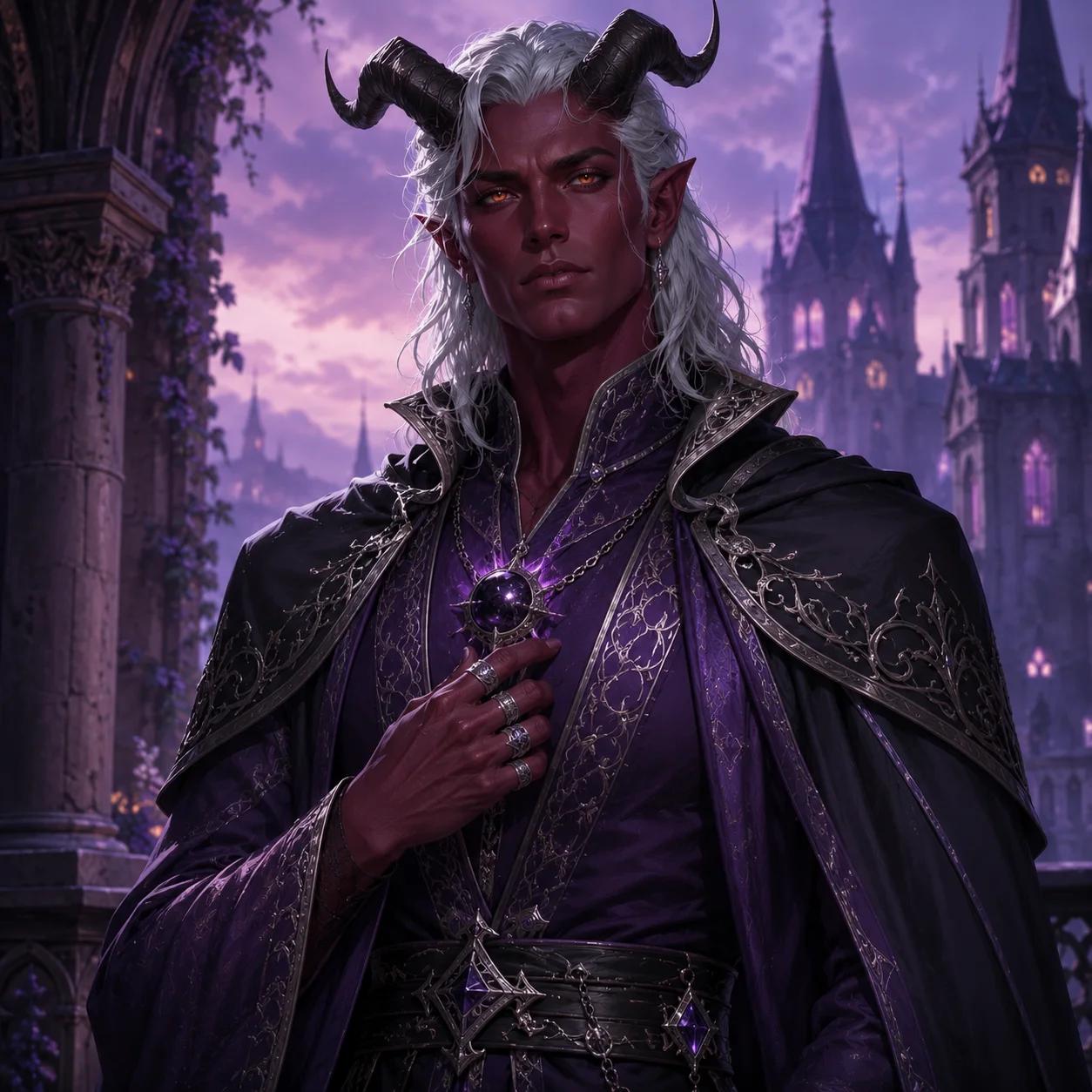
Horns, occult details and dark magical lighting establish a recurring villain with a recognizable identity.
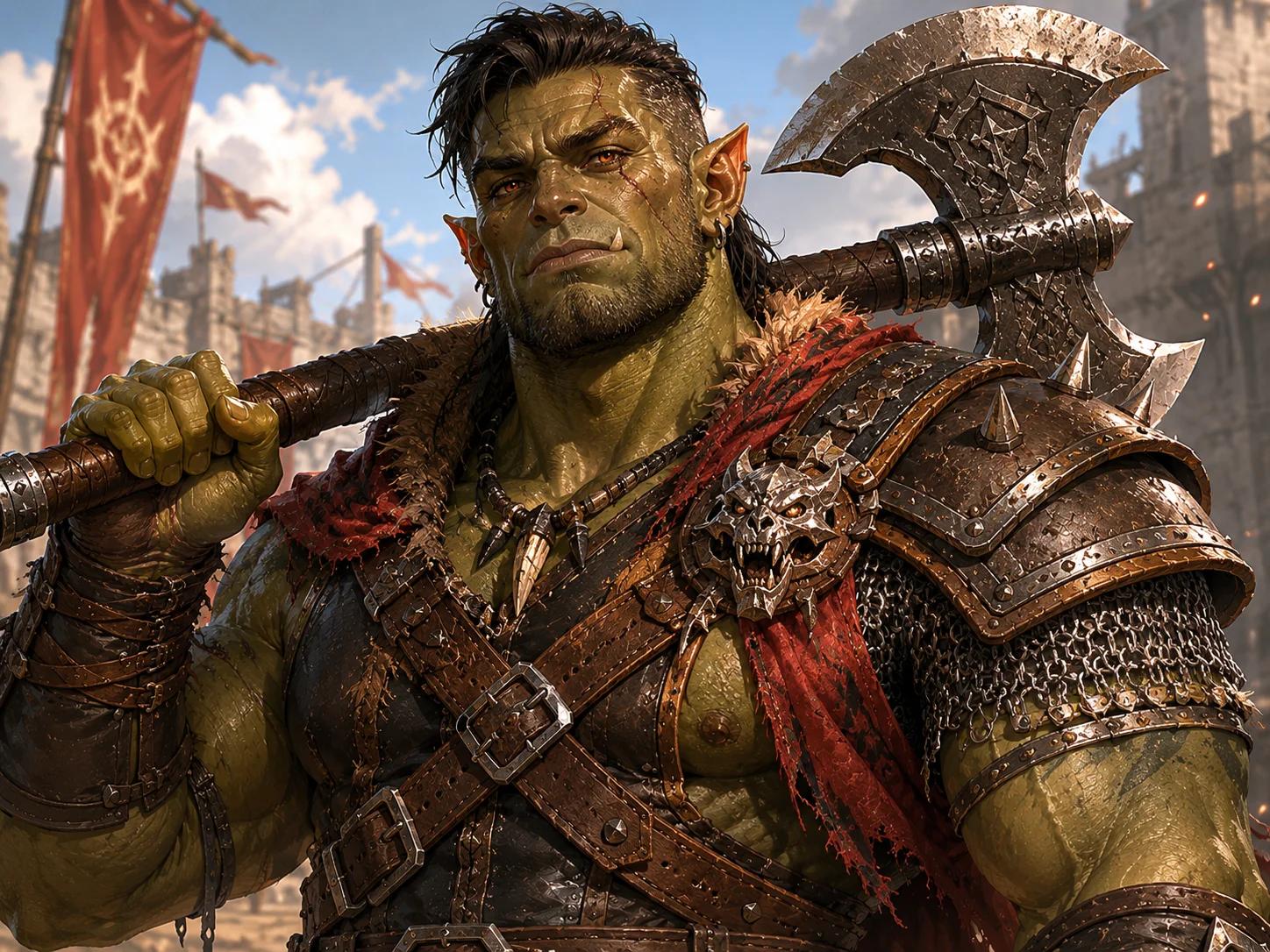
Battle wear, a heavy silhouette and a direct stare create a grounded military threat for the campaign.
How to design a villain portrait
The generator only needs the visible facts. Translate the villain’s role into clothing, equipment, posture, expression and atmosphere rather than pasting an entire secret history into the prompt.
Use ancestry for visible fantasy traits and the class field for armor, robes, weapons or magical posture.
Choose a crown, relic, weapon, mask, faction emblem or ritual object that immediately connects the villain to the threat.
Describe the emotional tone and setting with a few precise words such as controlled, fanatical, moonlit or throne-room cold.
Download the finished portrait for a VTT reveal, campaign handout, private wiki or session recap.
Villain campaign uses
Not every antagonist is the final boss. Use separate portraits for the people who carry the conflict across sessions and help players recognize the larger threat.
Prepare a finished portrait for the moment the party finally meets the character behind the campaign conflict.
Keep the same recognizable face across ambushes, negotiations, faction meetings and later rematches.
Use ceremonial clothing, symbols and atmosphere to connect the villain to a faction, kingdom or supernatural force.
FAQ
Character Guides
Use these practical guides to choose visible details, write a focused character brief, and prepare the final image for campaign use.
Character Design Guide
Describe a D&D character’s face, ancestry, clothing, equipment, expression, and story marks with enough visual detail to create a readable fantasy portrait.
Read guideD&D Portrait Guide
Learn how to write a focused D&D character portrait prompt using ancestry, class, equipment, appearance, mood, composition, and a single readable story detail.
Read guideVTT Portrait Guide
Choose practical VTT portrait and token dimensions, safe crops, file formats, face scale, backgrounds, and export settings for clear tabletop character art.
Read guideCharacter Portrait Expression Guide
Use D&D character portrait expressions to show resolve, suspicion, threat, and calm through eyes, mouth, posture, lighting, and focused RPG portrait prompts.
Read guideCreate allies, patrons, merchants, rivals and other recurring campaign characters.
Use the full character workflow for player heroes and major story figures.
Build controlled threat, suspicion, resolve, or calm without losing the villain’s recognizable face.
Build broader fantasy antagonists for original stories, games and RPG settings.