Key takeaways
A free portrait must be downloadable and useful at tabletop size; a free editor alone is not the same thing.
NanoEditor offers a limited one-off portrait allowance, not unlimited free images.
Leonardo AI uses daily free tokens, and feature costs vary.
Midjourney’s website and Discord are subscription-based rather than a free web trial.
Free D&D character art tools at a glance
A free tier is most useful when it matches your output. For a new player, three possible portraits can be enough to establish a look. For a Dungeon Master filling an entire town, a recurring free allowance may be more valuable. If you need a consistent cast and many location illustrations, a tool for general image creation may be a better fit than a single-character portrait workflow.
These descriptions reflect published provider information checked October 9, 2026. They are not a measured contest, and token prices or free caps may change without notice. We recommend visiting the relevant product’s official pricing or help page before spending credits.
| Service | Free starting point | Watch for |
|---|---|---|
| NanoEditor | One successful guest portrait; two more after Google registration | Shared guest limit; not unlimited free art |
| Leonardo AI | Daily free tokens for image tools | Token charges depend on the feature and model |
| CharGen | Advertises a no-card starter tier for tabletop artwork | Check its current usage allowances and workflow |
| Midjourney | No website or Discord free trial per official help | A separate limited niji journey mobile trial may exist |
NanoEditor: a straightforward free portrait for one character
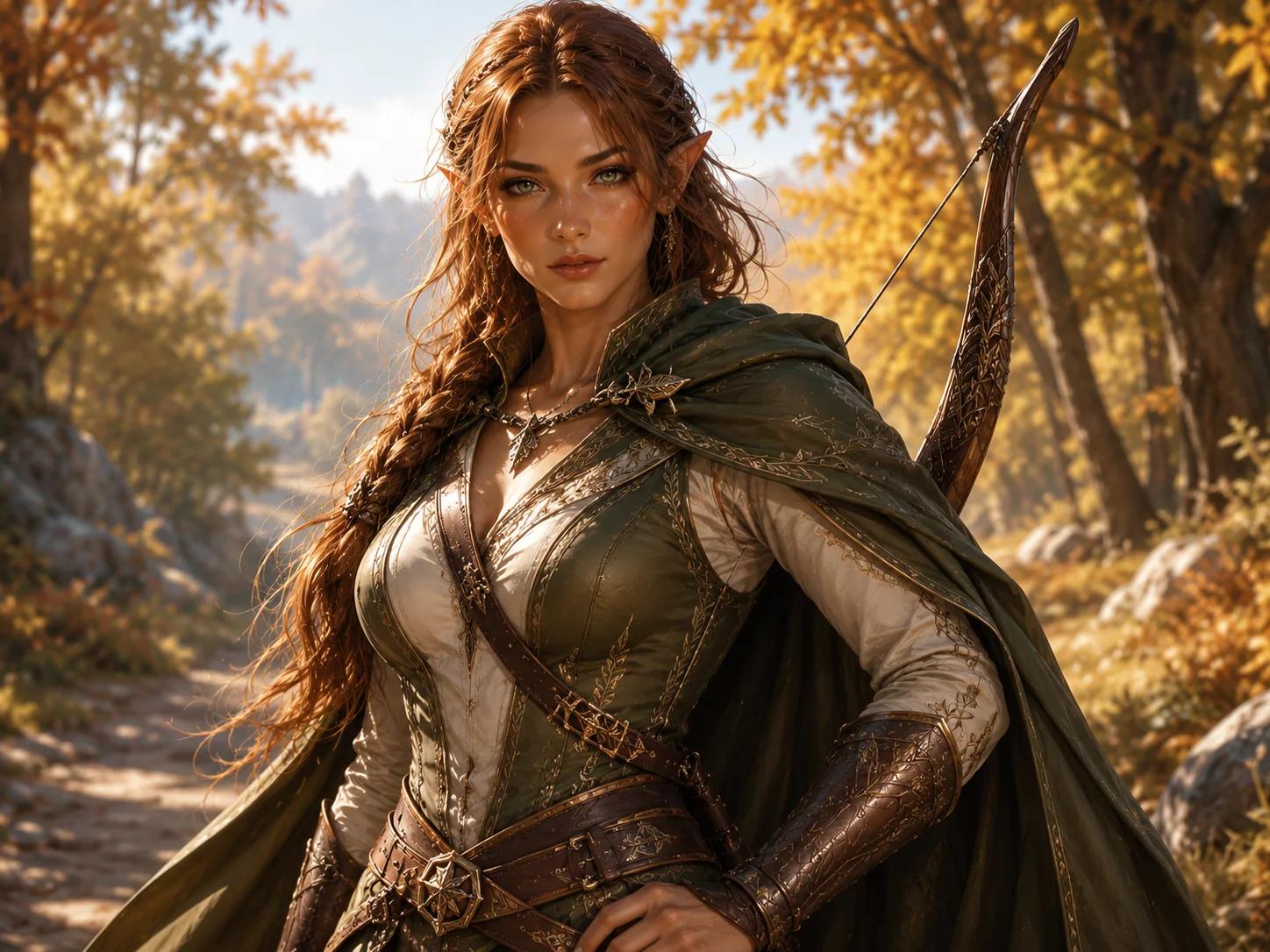
NanoEditor is our guided D&D portrait tool. The first successful guest generation does not require registration; that one guest allowance is shared across the D&D tool pages. After Google sign-up, the new account receives 20 credits, enough for two portraits at 10 credits per image. In other words, a new user can make up to three portraits under the current starter allowance if they use both paths. A failed generation does not consume the guest trial.
Choose ancestry and class first, then give the model an identifiable face, equipment and mood. The product generates one portrait per request. The benefit is not endless experimentation, but less blank-prompt work when you already know who your character is. It does not create a campaign map, rules-valid character sheet or unlimited stream of free NPC art.
- One guest portrait is shared across the entire D&D generator family.
- Google is the supported registration method.
- New-account bonus: 20 credits, with 10 credits per portrait.
- Use the free portrait generator, not an unrelated paid-plan checkout, to test the workflow.
Leonardo AI: recurring free tokens for experimentation
Leonardo AI provides a daily token allowance on its free tier. Its help center describes 150 daily free tokens at the time of this update. Token cost varies by image model and additional operations, so the number of images is not fixed. The free tier makes sense for players experimenting with different portrait styles and for DMs who also want scenery, props or other images beyond a single face.
A token balance is not a guaranteed number of polished character portraits. You still choose settings, describe the character and judge whether the result fits your intended crop. Keep a basic character brief ready before using the allowance, especially when several iterations might be required.
The free-token limit and variable tool costs are documented in Leonardo’s official token FAQ.
CharGen: free-start NPC art in a campaign-focused toolkit
CharGen markets a starter experience with daily Gold for AI imagery and free text-oriented tools. Its value is not only a character portrait: the same site includes NPC creation, campaign world-building and a token maker. For a Dungeon Master, reducing the number of handoffs between a character portrait and session preparation may be a bigger advantage than a single image model.
The site has multiple workflows and tiers, so do not assume every model or bulk image operation is free. Check the current Gold cost before generating. If you only need a single player-character portrait, you may prefer a smaller guided form. If you are creating a recurring cast of merchants, guards and villains, the surrounding campaign tools may matter more.
Its starter allowance and tabletop feature list are described on CharGen’s official product overview.
Does Midjourney have a free D&D portrait option?
For its website and Discord workflow, no: Midjourney’s official trial help page says no free trial is currently available there. This distinction matters because older recommendations may still describe a free first run. A limited trial exists for the separate niji journey iOS and Android application, but that is not the same as a free Midjourney web tier.
If you already subscribe to Midjourney and enjoy art-directed experimentation, it remains an option for character work. If the specific requirement is a free first D&D portrait without payment, compare tools that actually provide a clear starter allowance instead of starting with Midjourney’s paid workflow.
For the current distinction between web, Discord and mobile, see Midjourney’s official free-trials policy.
How to get a useful D&D portrait without wasting free attempts
A good free attempt starts with a narrow picture brief rather than the entire backstory. Write one sentence for the identity, another for the outfit and equipment, and one for the crop and mood. For example: “Weathered dwarf cleric, copper-trimmed traveling vestments, braided beard, small hammer charm, calm expression, head-and-shoulders portrait, warm tavern light.” This gives the generator visible details instead of rules text it cannot illustrate.
After generating, crop the result to a small avatar size. If the face, ancestry cue and one class object remain legible, you have a usable portrait. If the pose reads only at full resolution, simplify the gear or background for the next attempt. Reusing the same identity details between attempts makes it easier to compare changes.

- Specify ancestry, class, one visible prop and a clear expression.
- Use head-and-shoulders or upper-body framing for player profiles.
- Check the output as a small square before consuming additional attempts.
- Keep the final file and check the platform’s rights and privacy policies.
Which free portrait generator fits your campaign?
For a new D&D character needing one identity image, begin with a limited portrait-specific tool such as NanoEditor. For ongoing open-ended visual exploration, look at Leonardo’s renewable token allowance. For a DM connecting NPC art to a wider campaign, investigate CharGen. Treat “free” as a real workflow constraint, not a quality label.
If you want to compare paid flexibility after trying the free tools, see the broader AI D&D art generator guide. For players who dislike writing prompts, the no-prompt guide explains how a structured brief can simplify generation without pretending that artistic choices disappear.
Put the guide into practice
Make a free D&D portrait with NanoEditor
Try one successful guest generation without registration, then optionally sign in with Google for two additional portraits.
Start creating