
Oathbound Guardian
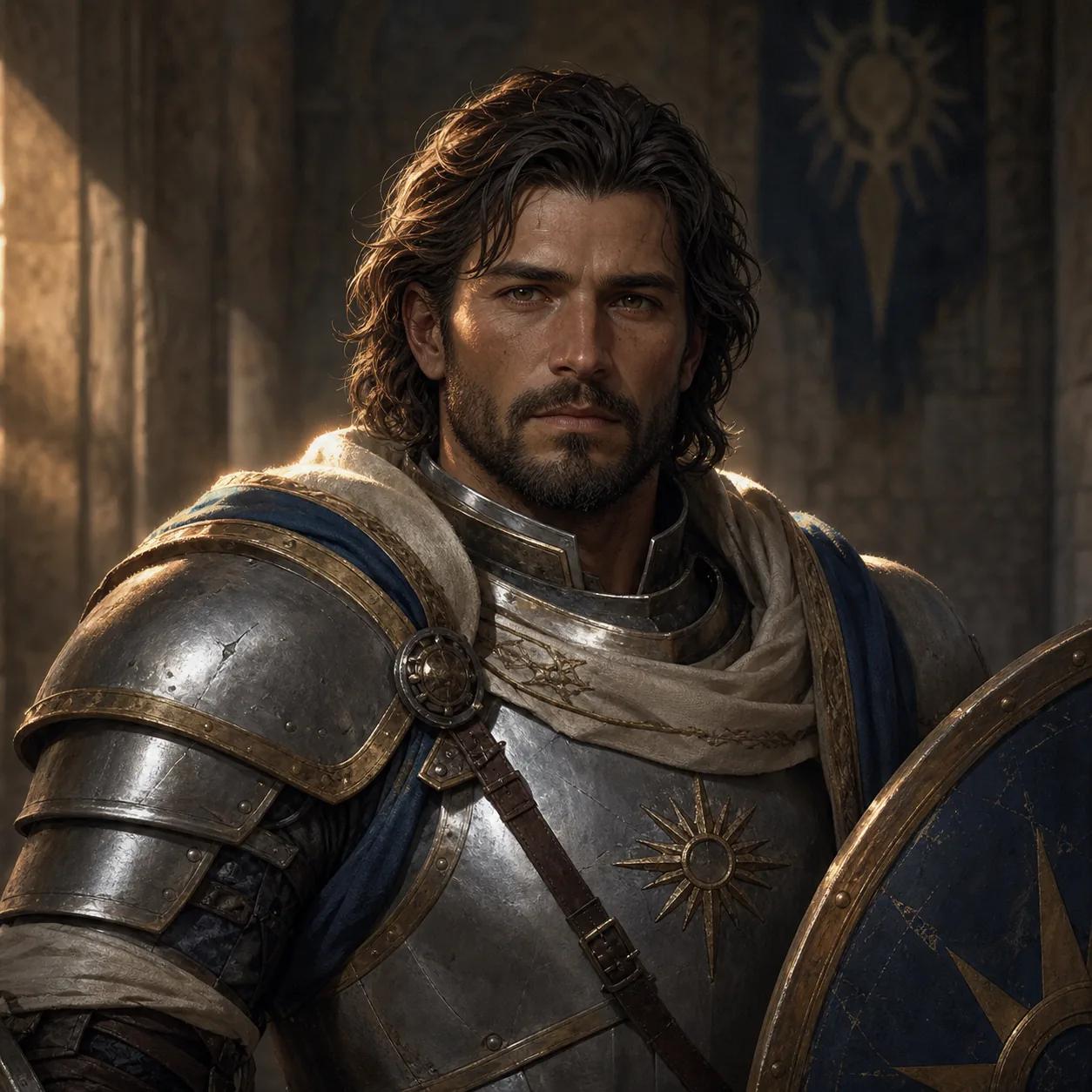
An original human Paladin uses campaign-worn silver plate, muted ivory cloth, a deep blue shield, one sunburst-like emblem, and calm golden side light to communicate resolve without visual overload.
D&D paladin character art
A D&D paladin portrait generator turns a clear face, disciplined posture, readable plate armor, one shield or weapon, a personal oath emblem, and restrained sacred light into one focused upper-body fantasy portrait. Start with Paladin preselected, decide what the character stands for, and build the image in the real generator below.
Character Brief
Complete the ancestry, class and portrait fields, then add one defining detail you want reflected in the image.
Free portraits use Epic Fantasy. Paid plans unlock all styles.
Hero unlocks HD and 4K output.
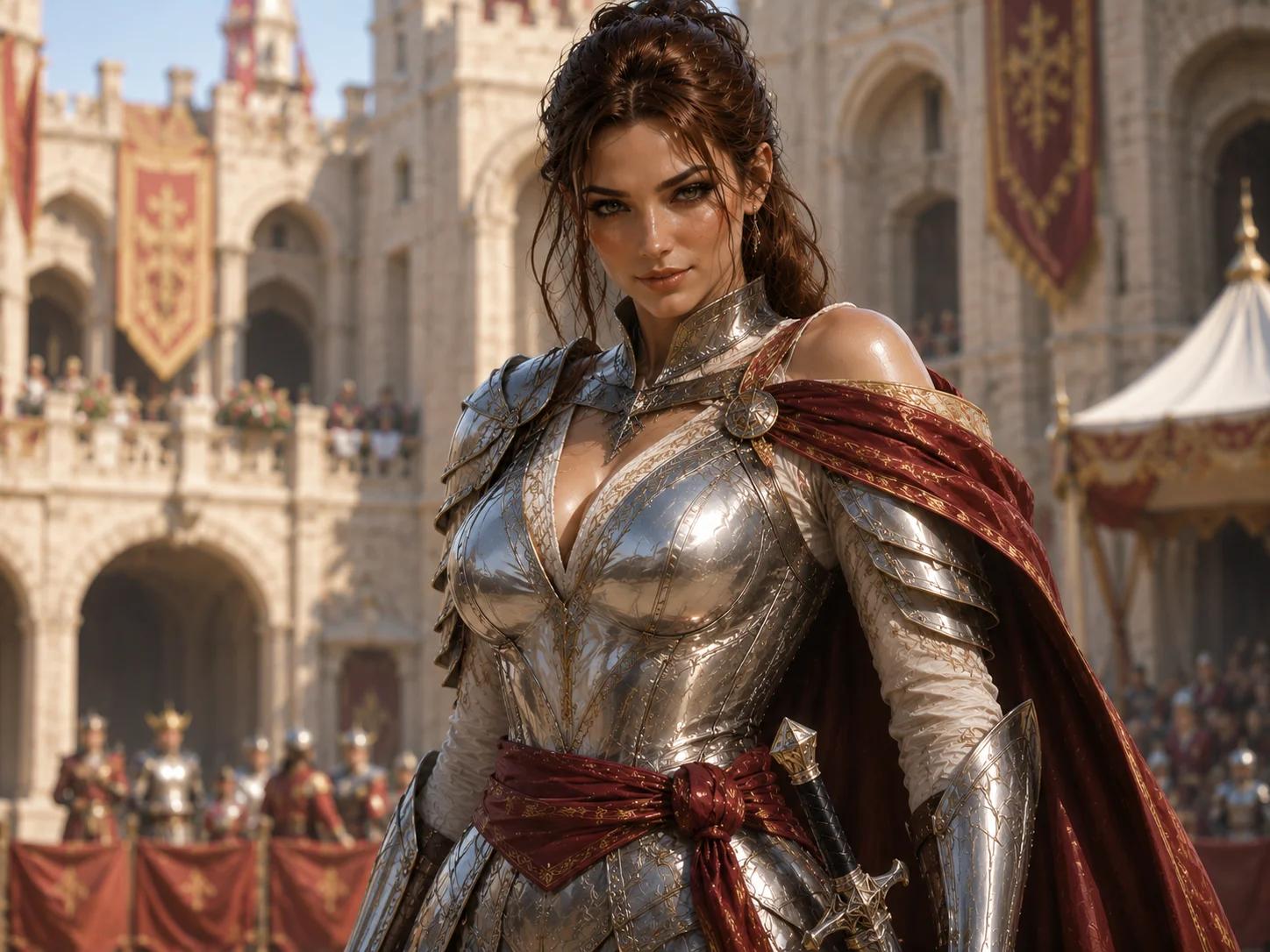
Create one standalone high-quality tabletop RPG character portrait of an adult female Human Paladin. Identity: natural human facial features, expressive eyes, realistic skin detail. Class and gear defaults: polished plate armor, holy symbol, shield or sheathed sword, noble protective presence. Composition: upper-body portrait from head to waist, centered character, eye-level camera, not a close-up headshot, not a full-body distant shot, face clearly visible, torso, shoulders, outfit, and key gear visible, face occupies about 25-30% of the image. Lighting: soft readable portrait lighting, clear eyes, natural skin or material detail, controlled shadows, no face hidden in shadow. Background: softly blurred low-detail fantasy setting, supports the character without competing with the face or silhouette. epic fantasy digital painting, campaign-book energy, richly detailed costume and armor, heroic scale Avoid: no text, no watermark, no logo, no UI, no character sheet layout, no distorted hands, no extra fingers, no extra limbs, no cropped head, no blurry face, no low quality.
One successful guest portrait. Failed generations do not consume the trial.
Portrait Reveal
Your generated fantasy RPG portrait appears here, ready to review and download.
Your portrait will appear here
Complete the character brief and generate one focused fantasy RPG portrait.
D&D paladin portrait examples
A strong paladin portrait shows an individual before it shows an armor inventory. Use a face-first composition, one broad protective shape, one personal emblem, and controlled light so the character reads clearly in a square crop.
An original human Paladin uses campaign-worn silver plate, muted ivory cloth, a deep blue shield, one sunburst-like emblem, and calm golden side light to communicate resolve without visual overload.
A clear face, centered armor silhouette, and restrained background demonstrate how a protective martial character can remain legible without filling the portrait with weapons or effects.
Build a readable paladin brief
Treat Paladin as a visual relationship between conviction, protection, and the individual. Establish the face and posture first, then choose an armor hierarchy, one protective object, a personal emblem, and light that supports rather than replaces the character.
Translate the character’s promise into a visible quality such as mercy, vigilance, duty, defiance, patience, or remorse without quoting rules or naming a fixed official costume.
Use a steady gaze, lifted or lowered chin, squared or protective shoulders, and enough open space around the head for the expression to remain the emotional center.
Choose one dominant chest or shoulder shape, two or three readable materials, and a clear condition such as polished, repaired, weathered, or ceremonial.
Use one original oath mark plus either a shield, weapon, pendant, or keepsake. Keep both subordinate to the face and separate from the armor edges.
Give warm or cool light one job—reveal the eyes, separate the shield, or trace an armor edge—without adding a halo, beam, or spell effect that hides the person.
Paladin portrait use cases
The workflow creates one square upper-body portrait for a single character. It can support tabletop and story references, but it does not create a character sheet, game statistics, rules build, circular token, full-body scene, or party image.
Create a face-first Paladin reference for a campaign profile, private character notes, session introduction, or personal fantasy art collection.
Use protective posture, maintained armor, one shield edge, and a calm expression to define a defender, escort, watch officer, or trusted champion.
Show strain through repaired armor, muted color, a damaged personal emblem, lowered posture, or controlled light while keeping the character recognizably Paladin.
FAQ
Character Guides
Use these practical guides to choose visible details, write a focused character brief, and prepare the final image for campaign use.
Paladin Armor Portrait Guide
Discover D&D paladin armor design for portrait art: organize armor zones, reflections, emblems, shields, weapons, materials, and a face-first visual hierarchy.
Read guidePaladin Character Design Guide
Design a readable D&D paladin character with oath-driven mood, controlled color, clear posture, practical plate armor, and one personal emblem for portrait art.
Read guideFighter vs Paladin Design Guide
Compare fighter vs paladin character design through clothing, gear maintenance, emblems, and posture, then create two distinct, readable fantasy RPG portraits.
Read guideTranslate oath-driven mood into color, posture, armor, an original emblem, controlled light, and a focused portrait brief.
Use the broader guided brief when you want flexible ancestry, class, equipment, appearance, and mood controls.
Explore a published adjacent portrait workflow built around a compact silhouette, crafted materials, role equipment, and one identity object.
Compare a service-led portrait workflow built around layered cloth, practical armor, one original symbol, travel gear, and a clear face.
Compare a practical martial portrait workflow built around training, readable equipment, disciplined posture, and selective battle wear.
Use magical or sacred-looking light without hiding the face, flattening armor materials, or breaking the silhouette.
Use a broader framework for silhouette, face, clothing, equipment, color, and visible story marks.