Key takeaways
Start with a memory, character, or joke that belongs to your table rather than a generic D&D theme.
A character portrait is an easy gift to personalize because the player already knows exactly who the subject is.
Campaign moments can become artwork, songs, posters, or a small collection of keepsakes.
The most memorable gifts usually include one detail that would mean almost nothing to anyone outside the group.
1. Create a portrait of their D&D character
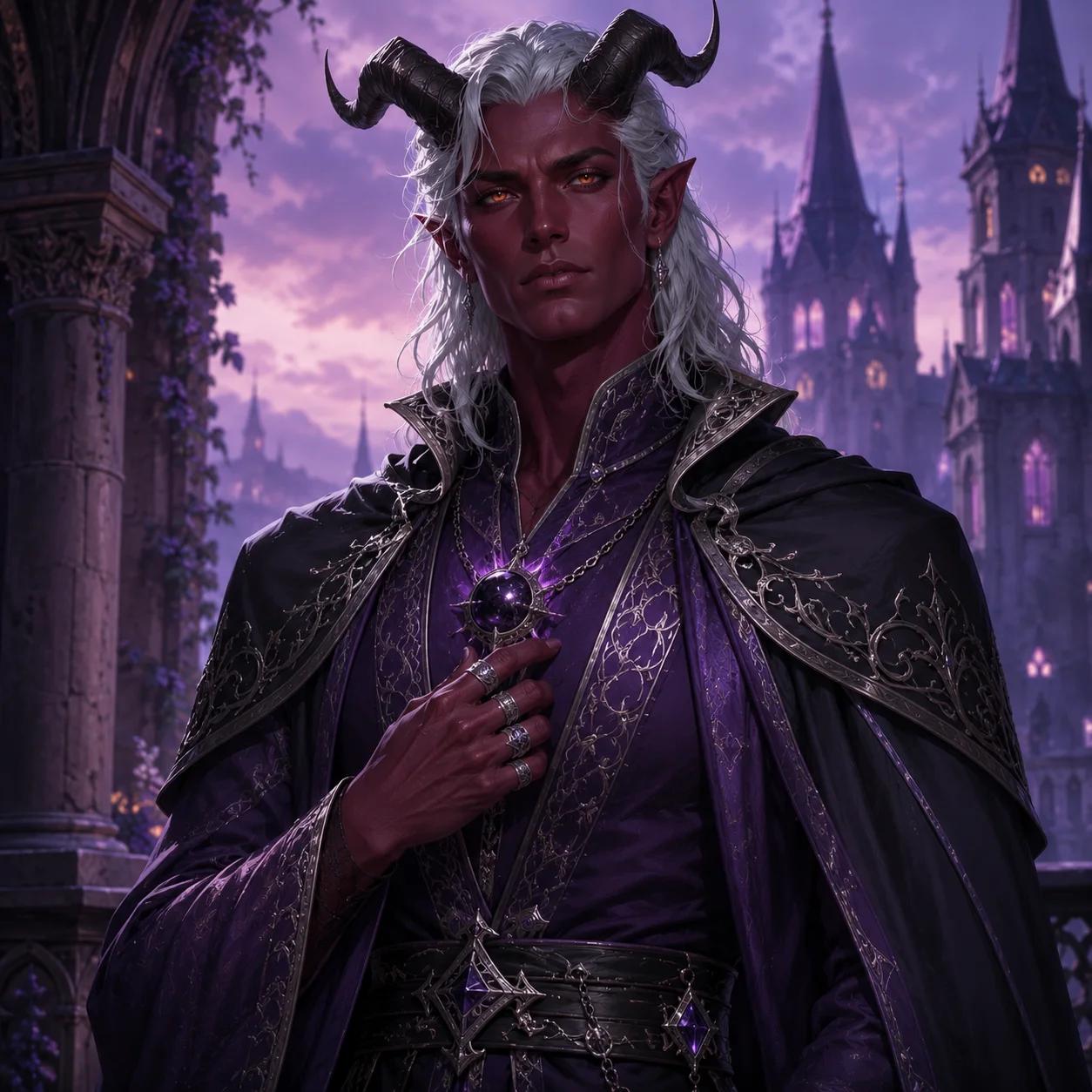
A custom character portrait is probably the simplest place to start. Most players have spent months deciding what their character looks like, what they wear, what weapon they carry, and which scars or odd little details matter. Turning that description into a finished portrait gives them something they can actually use after the gift is opened.
It can become a Discord avatar, a VTT profile image, a character-sheet portrait, a phone wallpaper, or a print for the wall. The useful part is that you do not need to invent a new idea for the gift. The character already exists. Your job is mostly to pay attention to the details the player talks about most.
A small detail matters more than extra decoration
If the player always mentions a chipped sword, a green cloak, a broken horn, or a ridiculous hat, keep that detail. It is often the part that makes the portrait feel like their character instead of a random fantasy hero.
2. Turn one campaign moment into artwork
Every long campaign seems to produce one scene that people keep bringing up months later. It might be the first boss the party barely survived, the villain reveal everyone saw coming except one player, a heroic last stand, or something completely stupid that happened in a tavern. Those moments make good gifts because the story is already shared.
You do not need to recreate an entire session. Pick the one visual beat people remember: the party facing the villain, the rogue hanging from a chandelier, the paladin standing in a ruined doorway, or the wizard realizing the spell has gone very wrong. A single scene is easier to recognize and usually more fun to look at than a crowded summary of the whole campaign.
3. Turn your campaign memories into a personalized song
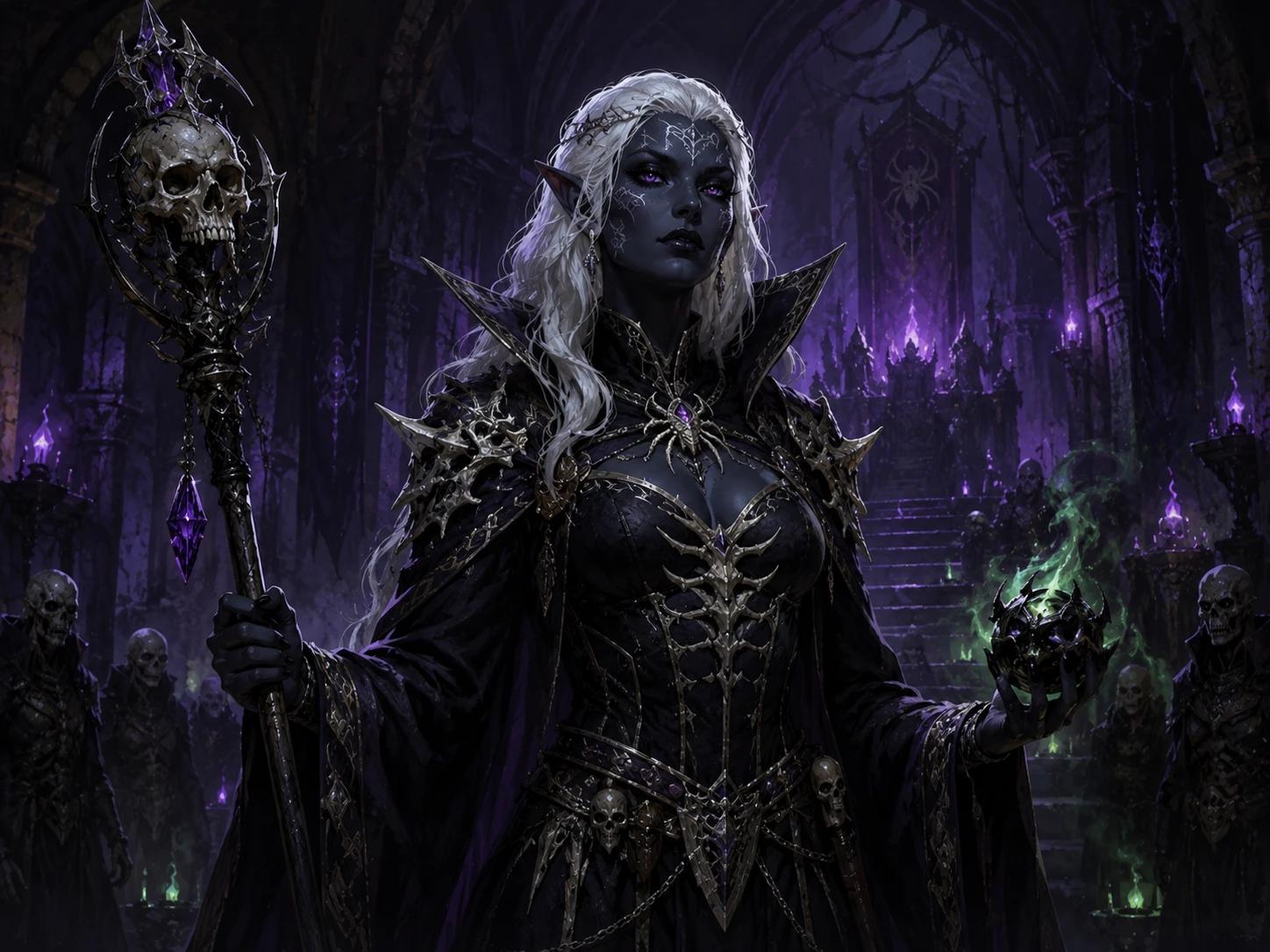
Not every campaign memory needs to become an image. Some groups remember the words more than the visuals: a character name everyone still quotes, a terrible decision that became a running joke, the DM’s favorite line, or the strange little ritual the party repeats before every dangerous fight.
Those details can work surprisingly well in a song, especially for a campaign finale, a player birthday, or a thank-you gift for a long-time Dungeon Master. The important part is not making it sound like an epic fantasy soundtrack. It is putting your group’s actual memories into something they can listen to later.
If you want to try that idea without writing and arranging the song yourself, Melodank lets you create a personalized song from shared memories. Names, memories, the occasion, and your message become the starting point, which makes it a natural fit for a gift that is really about the people behind the characters.
4. Make a portrait of the whole adventuring party
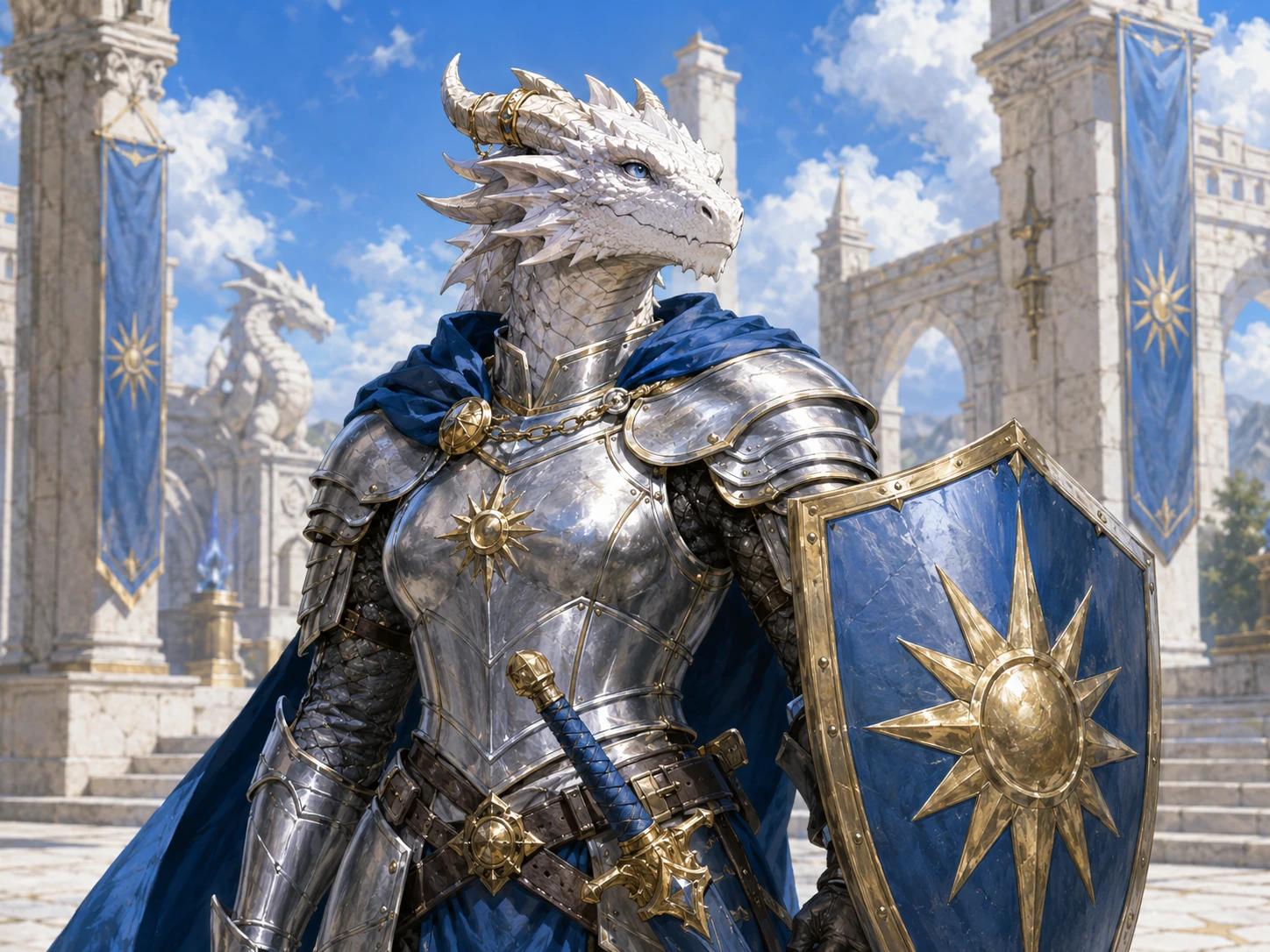
A single-character portrait is personal to one player. A party portrait belongs to the whole table. That makes it a particularly good choice when a campaign is ending, someone is moving away, or the group has been playing together long enough that the party itself feels like a shared project.
Keep the composition simple enough that everyone is recognizable. You do not need seven simultaneous spell effects and a dragon exploding in the background. Put the characters together, preserve their most recognizable equipment and silhouettes, and let the group itself be the subject.
- Use the same approximate scale so one character does not accidentally dominate the group.
- Give each character one recognizable object, color, or silhouette.
- Leave enough space around the group if you plan to print and frame the image.
5. Make a fake campaign poster or book cover
One of the more playful options is to treat the campaign as if it were a movie, game expansion, or fantasy novel. Give it the dramatic title your group would use, put the main characters or villain in the center, and turn the whole thing into a fake poster or book cover.
This works particularly well for campaigns with a clear arc or a ridiculous unofficial title. You can make it serious, but you do not have to. A polished fantasy poster for “The Six People Who Absolutely Should Not Have Been Allowed Near the Crown” may be much more memorable than something that tries too hard to look official.
6. Show how the character changed over the campaign
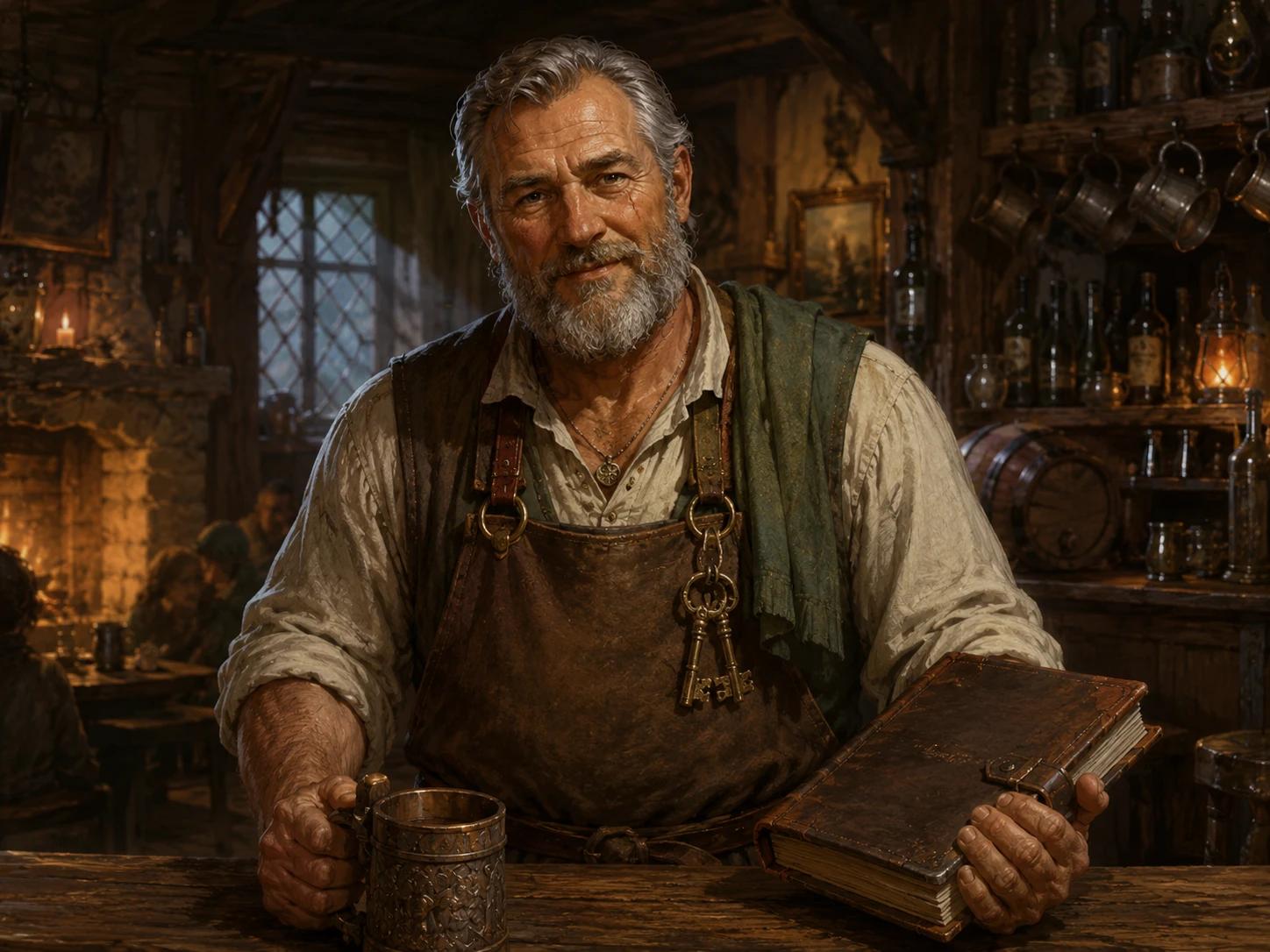
Characters rarely look the same at level ten as they did in the first session. Armor gets replaced, weapons become important, scars appear, titles change, and sometimes the character ends up looking nothing like the person the player originally imagined. That change can become the gift.
Create two or three versions instead of one: early campaign, the point where everything changed, and the final version. Keep a few identity details stable so it is clearly the same character, then let equipment, posture, clothing, and wear tell the story. It is a simple way to show months of play without writing a campaign recap.
- Beginning: basic equipment, cleaner clothing, fewer signs of experience.
- Middle: the first signature item, scar, title, or faction symbol that changed the character.
- Ending: the final armor, weapon, status, and expression the player earned through the campaign.
7. Build a small campaign memory box
If one item feels too small for a long-running group, combine a few simple pieces instead of looking for one expensive gift. Print the character portrait, add a party image, include a favorite quote from the campaign, and put in one physical object that already means something to the table—a die, an old initiative card, a hand-drawn map, or a copy of the absurd note that started an argument three sessions ago.
A song can sit alongside the physical pieces as a QR code or private link. A short campaign timeline can go on the back of the box. None of these pieces needs to be elaborate. The point is that together they feel like a record of the group rather than a collection of D&D merchandise.
Do not make it too polished
A slightly messy handwritten quote or an old table prop can carry more meaning than another professionally printed fantasy graphic. Keep the things that actually came from the campaign.
What makes a D&D gift feel personal?
The easiest test is to ask whether the gift would still make sense to a stranger. If the answer is yes, it may still be a good D&D gift, but it is probably not very personal yet. Add the one thing only your table would understand: the nickname nobody uses outside the game, the object the party refused to throw away, the villain everyone hated, the accidental catchphrase, or the exact color of the cloak a player has described twenty times.
That is also why portraits, campaign art, songs, and memory boxes work so well. They give you somewhere to put those details. The finished object is nice, but recognition is what makes the gift land. The person opening it should be able to see or hear a piece of the campaign they thought only the group remembered.
Put the guide into practice
Create a D&D character portrait
Turn a player character into a finished fantasy portrait using ancestry, class, equipment, appearance, and mood.
Start creating